Commercial Storm Damage in East Harbour, IN
Low slope roof failures and the floors below them. East Harbour Water Restoration dries East Harbour commercial buildings while the tenants keep working.
East Harbour Water Restoration provides professional Commercial Storm Damage in East Harbour: emergency availability every day of the year, certified crews, and coordination with your insurance carrier on approved claims. Call (765) 978-5086.
- Service: Commercial Storm Damage for East Harbour homeowners
- Service area: East Harbour, IN and surrounding areas
- Response time: Around the clock dispatch; East Harbour emergencies move to the front of the line
- Licensed and insured (License #RC21100059)
- Serving East Harbour, IN since 2018
Commercial Storm Damage Cleanup in East Harbour
We'll secure and dry commercial buildings in East Harbour after a storm opens the roof or floods a lower level.
Storms Here
Spring and summer are severe thunderstorm season here. Large hail and damaging wind can hit here, and that puts roofs and rooftop equipment at risk. NWS Indianapolis posts summaries of past storms, which helps when your carrier asks for a date.
We respond to storm calls from businesses anywhere in East Harbour, including those around Downtown Noblesville Historic Square and the Hamilton Town Center. We also handle commercial storm damage in Cicero and Fishers.
Commercial Storm Damage for East Harbour Businesses
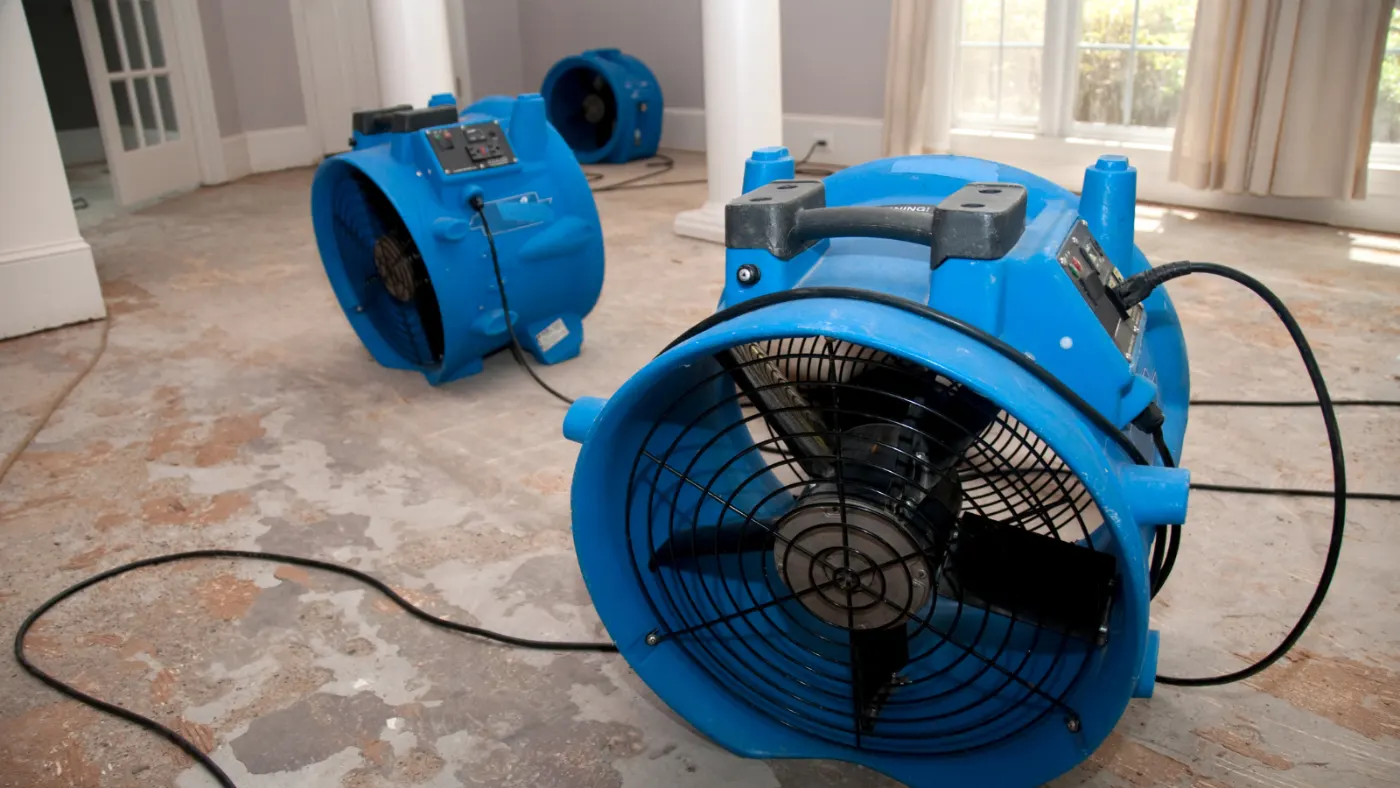
Your East Harbour building has to open tomorrow and there's standing water across half a floor plate. Shutting the whole tenant space down costs more than the water did, which is why the drying plan matters as much as the extraction. East Harbour Water Restoration works commercial losses in East Harbour, IN around an operating business, with containment that keeps the wet area separate from the part of the floor people are still using.
Every cord that runs through a wet area goes through ground fault protection, and the crew checks panel labels with your building engineer before touching any circuit that serves the space. Equipment gets staged off the floor where it can be, and the electrician decides what's safe to reenergize. Those checks happen before the first dehumidifier is plugged in at your East Harbour property.
Drying a building in East Harbour that's still operating starts with deciding what gets closed. East Harbour Water Restoration builds containment at a natural line, a demountable partition or a corridor wall, so the wet area is isolated and the rest of the floor keeps working. Negative air with HEPA filtration runs where materials are coming out, and the crew works tenant hours or after them depending on what the space does.
The carrier's estimate and the mitigation invoice are built differently, so the totals can differ even when both describe the same work. When a line is questioned, the readings and photos behind it answer the question. You and your broker decide how to respond, and East Harbour Water Restoration explains any line of the East Harbour scope in writing.
Storm water in an occupied building gets worse every hour it sits. Call East Harbour Water Restoration and a crew is on the way to your East Harbour, IN property within two hours with extraction capacity, dry in materials, and the documentation your carrier will ask for. The team can meet you on site or coordinate with your roofer.
Signs You Need Commercial Storm Damage Restoration
If you notice any of these in your East Harbour building, schedule a free inspection before the issue worsens.
Fan coil or convector cabinets along a window wall holding water at the bottom
Carpet tile that squishes underfoot along the glass line of a storefront or window wall
Grout between floor tiles darkening in a pattern that spreads a little more each day
Paint blistering or wall covering bubbling on a wall that backs up to the exterior
A supply diffuser dripping water or showing rust streaks after a storm
Wet or stained carpet along an interior column line with no plumbing fixture anywhere near it
A tenant reporting the same leak every heavy rain, in the same corner of the same suite
Bubbles, blisters, or soft spots underfoot when you walk a low slope membrane
A musty, earthy smell at a return air plenum or coming out of a corridor diffuser
Damp, darkened flooring in a band just inside the main entrance after a windy rain
How East Harbour Water Restoration Handles Commercial Storm Damage
We follow these steps in order on every East Harbour job.
Power and Safety Walk
Before extraction starts, the crew walks the wet areas with your building engineer and confirms which circuits serve them. Cords run through ground fault protection, and the electrician decides what can be reenergized.
Emergency Roof Dry in
The membrane breach or failed detail gets covered with a temporary dry in built to hold through the next rain. Photos go in the file before and after. The permanent repair stays on the work order until a roofing scope takes it over.
Water Path Check
The crew traces the water from the roof breach down through the ceiling to the floors below and photographs the path. Water that backed up out of a drain tied into a sanitary line gets handled as sewage, and that call drives the protocol.
Water Category Call
Rain that started clean can worsen in category as it sits, so the crew classifies the water as it entered and again as it has aged. That call sets which materials get cleaned in place and which come out.
Dry Standard Verified
Affected materials have to match the dry standard measured in an unaffected part of the same building before equipment comes out. Final readings, photos and equipment run hours go in the file, and a punch walk sets what's left to rebuild.
Commercial Storm Damage in East Harbour
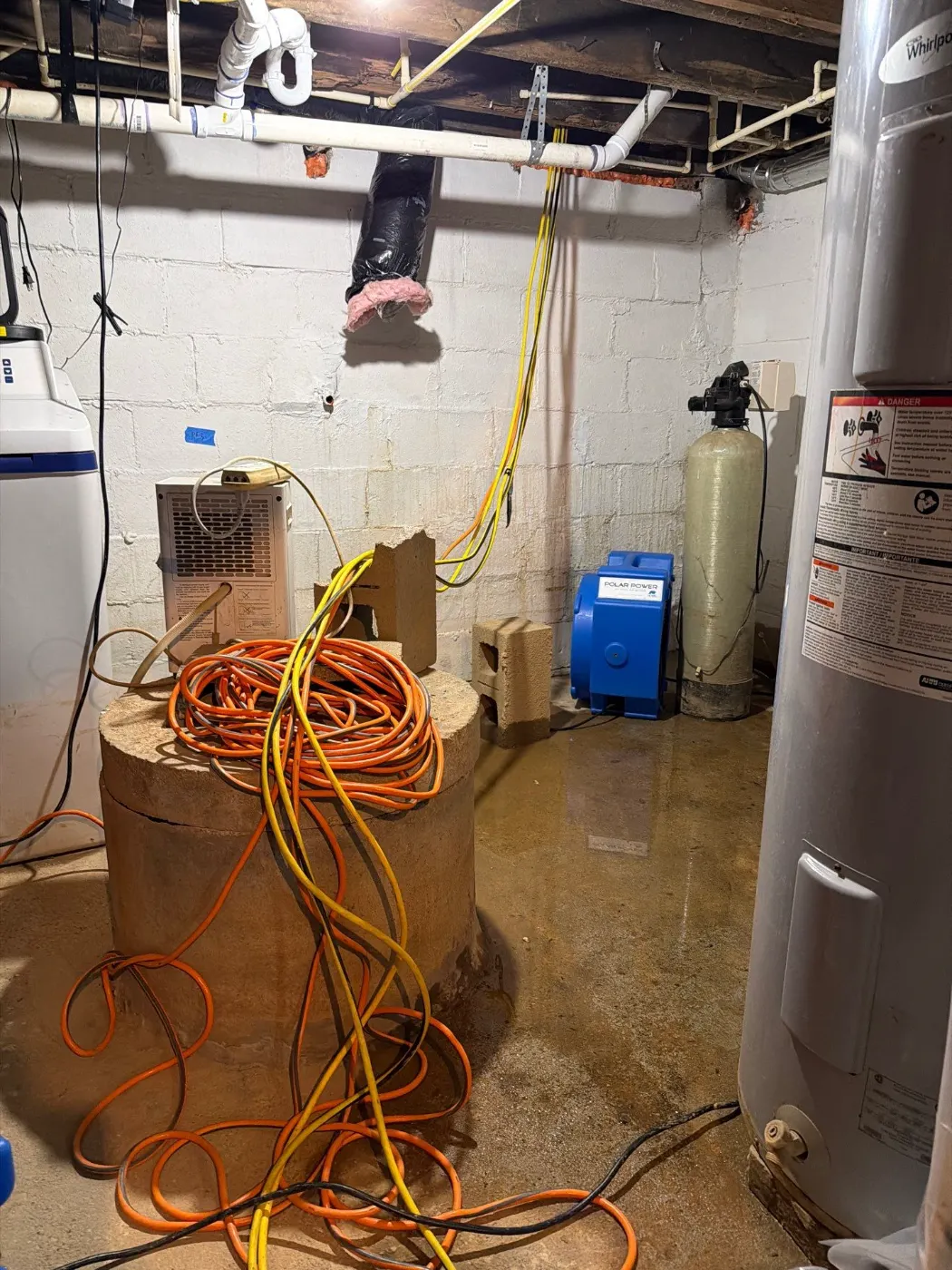
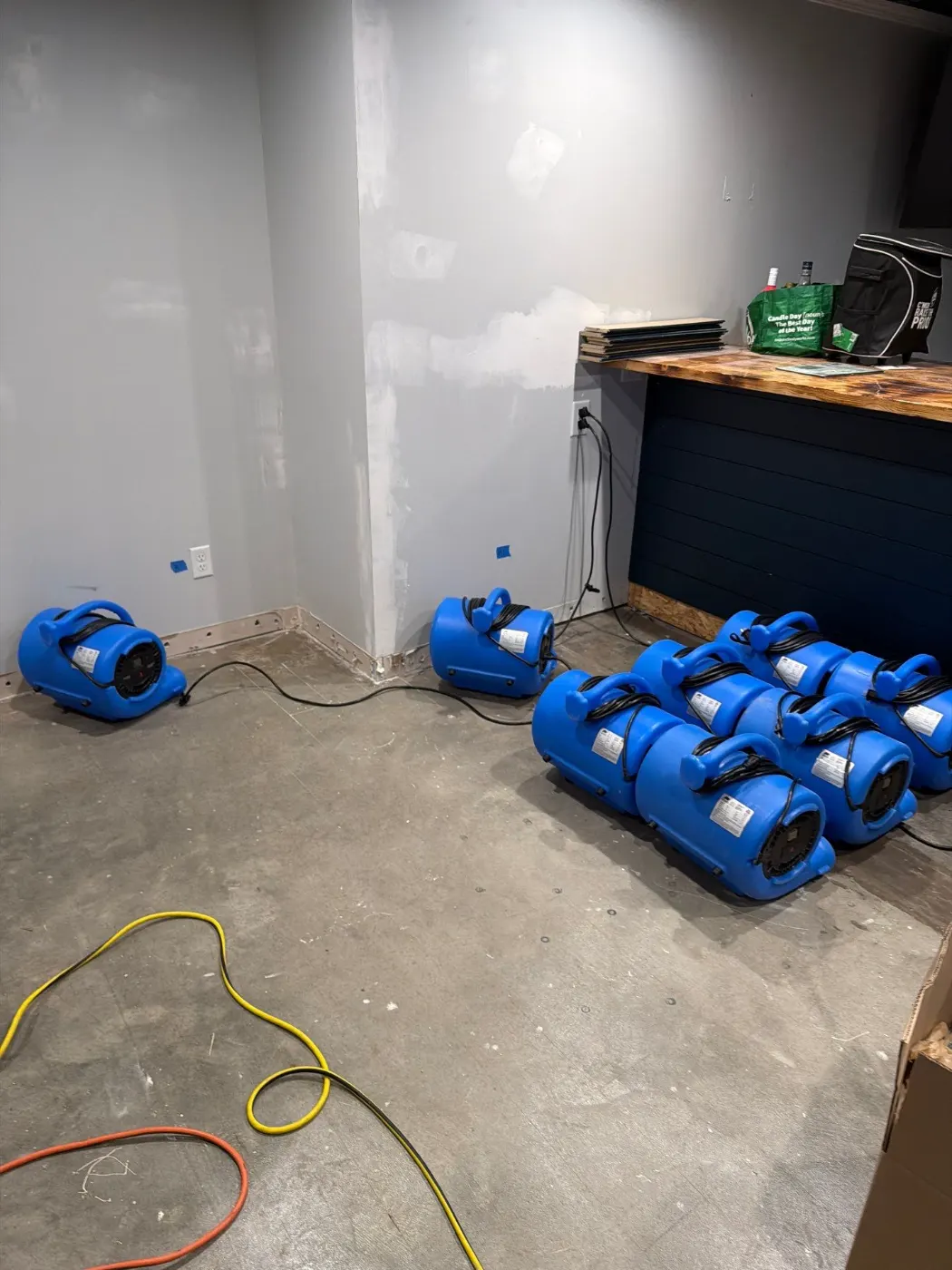
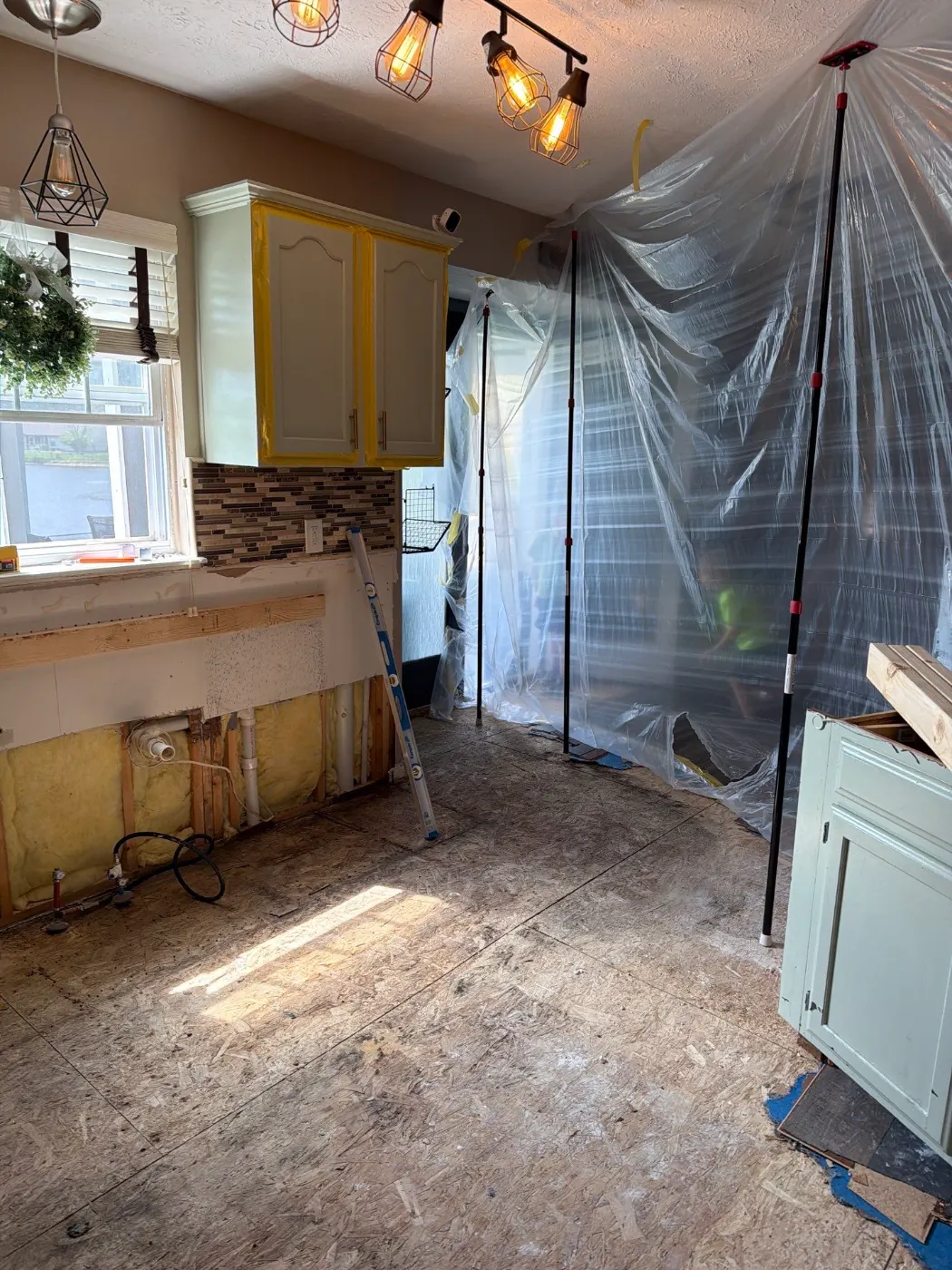
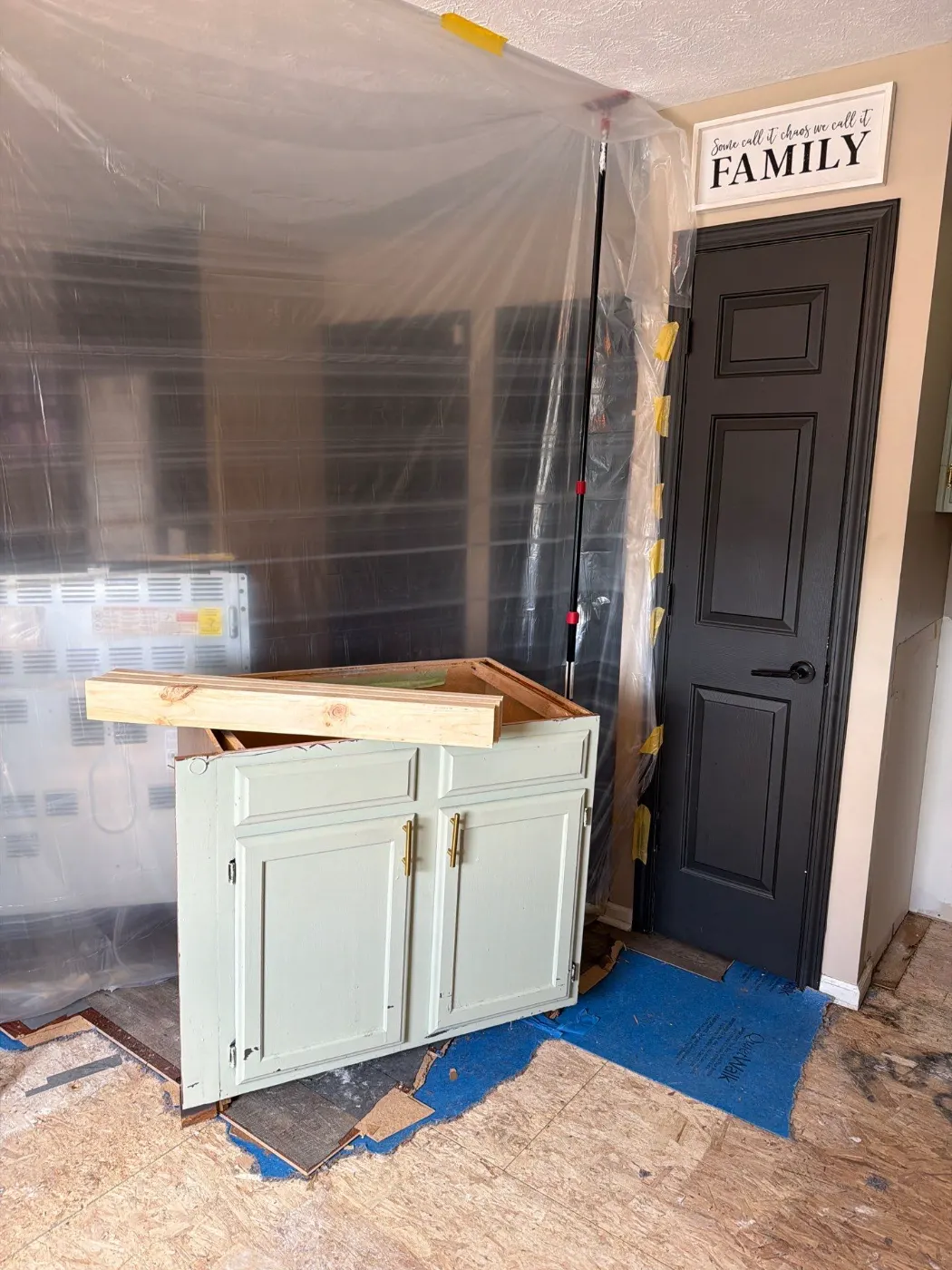
Photographs from real commercial storm damage jobs completed by our crew in East Harbour and surrounding areas.
Commercial Storm Damage FAQ
Questions East Harbour property managers ask us about commercial storm damage restoration.
Guidance and Standards for Commercial Storm Damage
- The National Weather Service office in Indianapolis posts summaries of recent central Indiana storm and flood events. NWS Indianapolis Event Summaries
- The ANSI/IICRC S500 is the published standard for professional water damage restoration. The current edition is the Fifth Edition, 2021. IICRC S500 Standard
East Harbour Neighborhoods We Serve
We take commercial storm damage calls in every part of East Harbour. Pick your neighborhood for local details.
Other Restoration Services in East Harbour
East Harbour Water Restoration handles the full scope of restoration work. Explore our other services below.
Water Damage Restoration in East Harbour
24/7 emergency response. IICRC certified water restoration from extraction to full dry out.
Learn more →Basement Flooding in East Harbour
Basement water emergencies handled fast. Extraction, drying, mold prevention.
Learn more →Sewage Cleanup in East Harbour
Category 3 biohazard cleanup. Full containment, decontamination, structural restoration.
Learn more →Request Commercial Storm Damage Restoration
Reach Us Directly
Our team is available 24/7 for emergencies and ready to schedule inspections during business hours.
Need Immediate Help?
For active water or mold emergencies, call us directly. We are available 24/7.