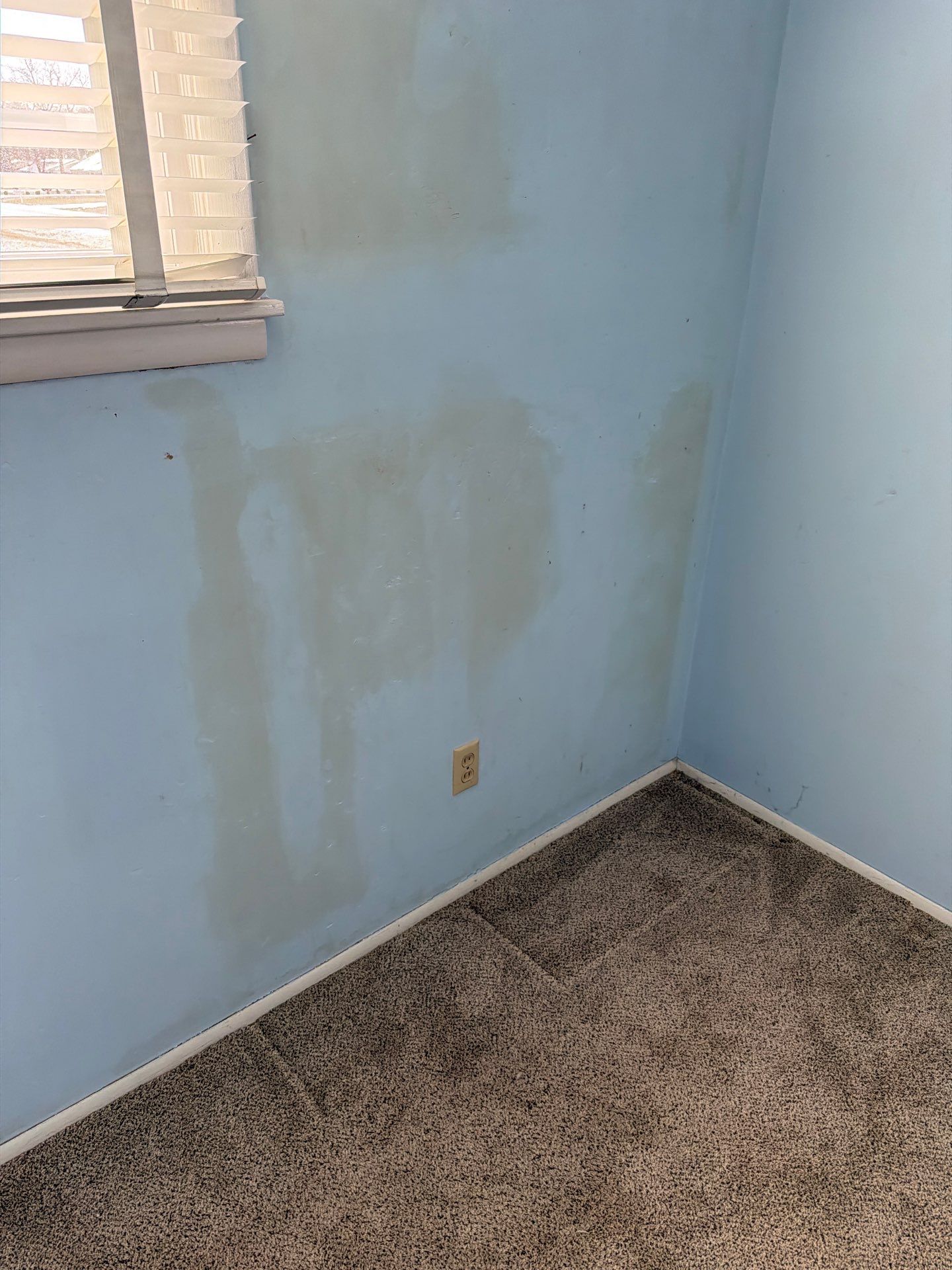
Why did my sump pump fail right when I needed it most?
Sump pumps almost always fail under load, meaning they quit during the exact storm they were supposed to handle. The four causes we see most often in East Harbour basements are a tripped or lost power circuit, a stuck float switch, a burned-out motor on a pump older than seven to ten years, and a frozen or clogged discharge line. Power loss accounts for roughly half of the failures we respond to, which is why a battery backup or water-powered secondary pump is the single best upgrade you can make. If your pump is humming but not pumping, the impeller is likely jammed. If it is completely silent, you are looking at power or motor failure.
There is also a quieter failure mode worth knowing about: a pump that runs constantly because the check valve has failed, allowing pumped water to fall back into the pit. The motor cycles itself to death over a few weeks, and the first sign you get is a flooded basement during the next big rain. If you hear your pump running every couple of minutes on a dry day, have it inspected before the next storm arrives.
What should I do in the first ten minutes?
Safety first, then water. If standing water is anywhere near outlets, the furnace, or the electrical panel, do not step into the basement. Shut power off at the main breaker if you can reach it dry, or call your utility. Once power is safe, move anything you can lift off the floor: boxes, electronics, photo albums, kids' toys, anything with sentimental or financial value. Photograph everything before you move it, because your insurance adjuster will want documentation. Then call a professional. Standing water doubles in damage cost roughly every 24 hours it sits, and Category 1 clean water turns into Category 2 gray water within 48 hours under warm basement conditions.
How do I prevent this from happening again?
Replace your primary pump every seven to ten years whether it has failed or not. Add a battery backup pump rated for at least eight hours of continuous runtime. Install a high-water alarm that texts your phone. Test the system every spring and fall by pouring a five-gallon bucket into the pit. Keep the discharge line clear of ice and debris, and make sure it terminates at least ten feet from the foundation. These five steps cost less than $800 combined and prevent the $10,000 flood almost every time.
How long will the whole drying and restoration process take?
For a clean-water sump failure caught quickly, extraction takes two to four hours, structural drying runs three to five days with equipment running continuously, and any rebuild work (drywall, baseboards, flooring) takes another three to fourteen days depending on materials. Total timeline for a moderate East Harbour basement flood is usually seven to fourteen days from first call to final walk-through. We monitor moisture daily and pull equipment only when readings hit dry standard, not on a fixed schedule.
What if the water smells like sewage?
Stop. Do not touch it, do not vacuum it, do not let pets or kids near it. Sewage-contaminated water is IICRC Category 3, also called black water, and it carries bacteria, viruses, and parasites that standard cleanup cannot address safely. This often happens in East Harbour when a sump pit is tied into the same drain system as a floor drain or when a sanitary sewer backs up during heavy rain. You need licensed Category 3 protocols, antimicrobial treatment, and proper PPE. Our sewage cleanup service handles these calls every week, and most homeowner water backup endorsements cover the cost when the cause is documented properly.
Can I just rent a pump and dry it myself?
Sometimes, yes. If you caught the leak within an hour or two, the water is clean, and total intrusion is under an inch across a small unfinished area, a wet vac and two or three fans can handle it. The honest answer most homeowners do not want to hear is that DIY drying almost always leaves moisture trapped behind baseboards, under flooring, and inside wall cavities. That trapped moisture grows mold within 48 to 72 hours. If you have any finished surfaces, carpet, or drywall that got wet, professional drying with calibrated moisture meters is the cheaper long-term path. Our water damage restoration team uses thermal imaging to find moisture you cannot see, which is how we prevent the mold callbacks that DIY jobs generate three months later.
Is this covered by my homeowners insurance?
Standard homeowners policies in Indiana usually exclude sump pump failure and groundwater intrusion unless you have a specific water backup and sump overflow endorsement. That endorsement typically costs $50 to $250 per year and covers $5,000 to $25,000 in damage. Check your declarations page for the words "water backup" or "sump overflow." If you have it, document everything, file the claim immediately, and ask for your claim number before any work begins. East Harbour Water Restoration works directly with every major carrier in East Harbour and can send photos, moisture readings, and IICRC-compliant drying logs straight to your adjuster. If you do not have the endorsement, the cleanup is out of pocket, but we will walk you through realistic pricing before you commit.
What should I expect during the drying phase day to day?
The first 48 hours are the loudest and warmest part of the job. Air movers run at roughly 75 decibels and dehumidifiers raise basement temperatures into the upper 80s, which is exactly what accelerates evaporation. A East Harbour Water Restoration technician returns every 24 hours to log moisture readings in affected materials, reposition equipment, and decide whether any wet drywall needs controlled demolition or flood cuts at the 24-inch line. By day three or four, readings in framing lumber should drop below 16 percent and concrete below 4 percent on a relative scale. We do not guess. Every reading is documented and shared with your adjuster, which protects you if mold questions come up later.
How much does professional basement flood cleanup actually cost?
For a typical East Harbour basement with one to three inches of clean water across 800 to 1,200 square feet, professional water extraction, drying, and sanitizing usually runs $2,500 to $6,500. Larger floods, finished basements with carpet and drywall, or sewage-contaminated water push the range to $8,000 to $20,000 or more. The variables that move the price are square footage, water category, how much drywall and insulation has to come out, how many air movers and dehumidifiers are needed (we typically deploy one air mover per 10 to 16 linear feet of wet wall), and how long the water sat before extraction. Our flooded basement cleanup pricing guide breaks every line item down so you know what you are paying for.